About Peadar Connolly
I was born into a family of Irish musicians where creativity and performance were part of everyday life. My father, Shaun Davey, is a renowned composer of Irish classical and fusion music, and my mother, Rita Connolly, is a celebrated Irish singer. My sister, Cathy Davey, has also had a highly successful career as a singer-songwriter in her own right. Surrounded by this environment, I grew up immersed in a wide variety of sounds - from folk to classical to world music - and was fortunate to travel across Ireland and Europe through my family’s work.
I spent most of my childhood in Co. Wicklow, with formative years in Dingle, Co. Kerry, where I was exposed to some of the country’s finest traditional musicians. Singing has always been part of who I am; I learnt many songs directly from the people around me, while also pursuing formal training in piano, oboe, recorder, and classical singing. At the same time, my curiosity drew me to music far beyond Ireland: I began researching global musical cultures, teaching myself to play international folk instruments such as the Chinese Hulusi and Armenian Duduk, and learning to sing in languages including Albanian and Japanese. This curiosity ultimately led me to London, to study music at SOAS University of London.
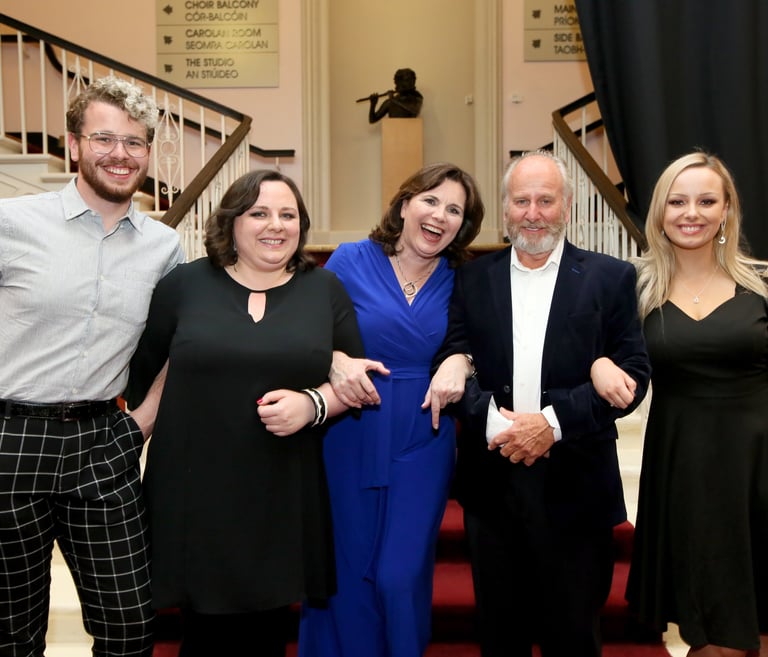
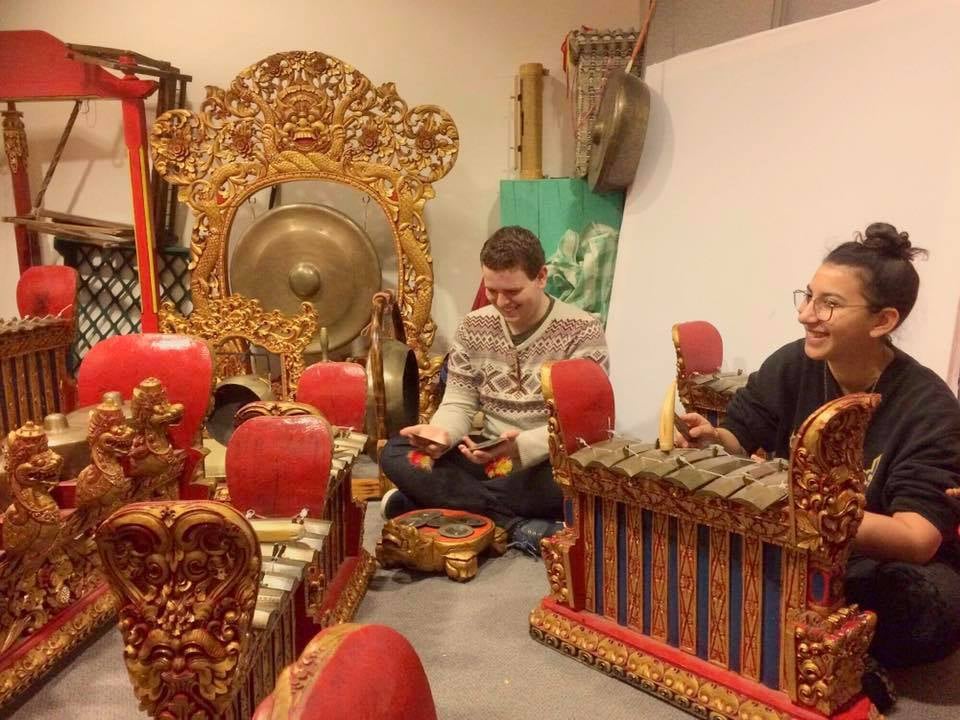
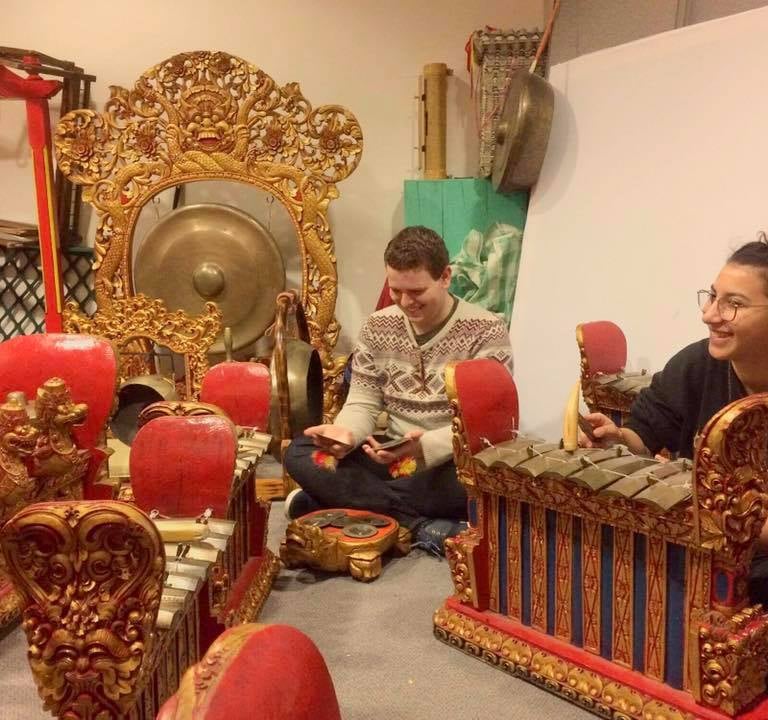
At SOAS, I completed both a BA in Music and an MA in Ethnomusicology with distinction. My undergraduate studies gave me the chance to explore musical cultures worldwide, with modules in Cuban, East Asian, African, and global popular music. I also specialised in performance, studying Balinese and Javanese Gamelan, Tabla, Kora, Chinese silk and bamboo ensemble, and later focusing on Irish song and the autoharp. Alongside this, I pursued independent research on gender and sexuality in popular music, and was awarded the John Taylor Travel Award to conduct fieldwork on the European Harlem-style ballroom scene. I graduated with First Class Honours, and was elected to be the Co-President Activities and Events in the SOAS Students' Union.
My passion for Albanian music, first sparked by hearing Albania’s entry in the 2012 Eurovision Song Contest, became the focus of my master’s studies. Working closely with Professor Lucy Durán, I explored ethnomusicological practice while studying subjects ranging from hip-hop to the music of Jews in Arab lands. I also trained with Aurel Qirjo, a master of Southern Albanian violin, to deepen my understanding of Albanian urban folk traditions. In 2021, I joined Oda 3 - a production team led by Lucy Durán, Edit Pulaj, and BBC sound engineer Martin Appleby - on a field trip to Shkodra, Albania. I soon became a co-producer with them, contributing to two acclaimed albums: Like Nightingales in the Spring by Orkestra Shkodra (2022) and City of 1001 Windows by Pulse of Berat (2023), both praised in Songlines Magazine.
My MA dissertation, Cultivating the National Albanian Musical Identity: From 1930s Lyric Songs to 21st-Century Hite Shqip, investigated the role of music in shaping Albanian independence and identity, and drew parallels with Kosovar pop music today. The work received a First and strong commendation from the SOAS Music Department. I graduated with a distinction overall, notably receiving a perfect score in my performance module.
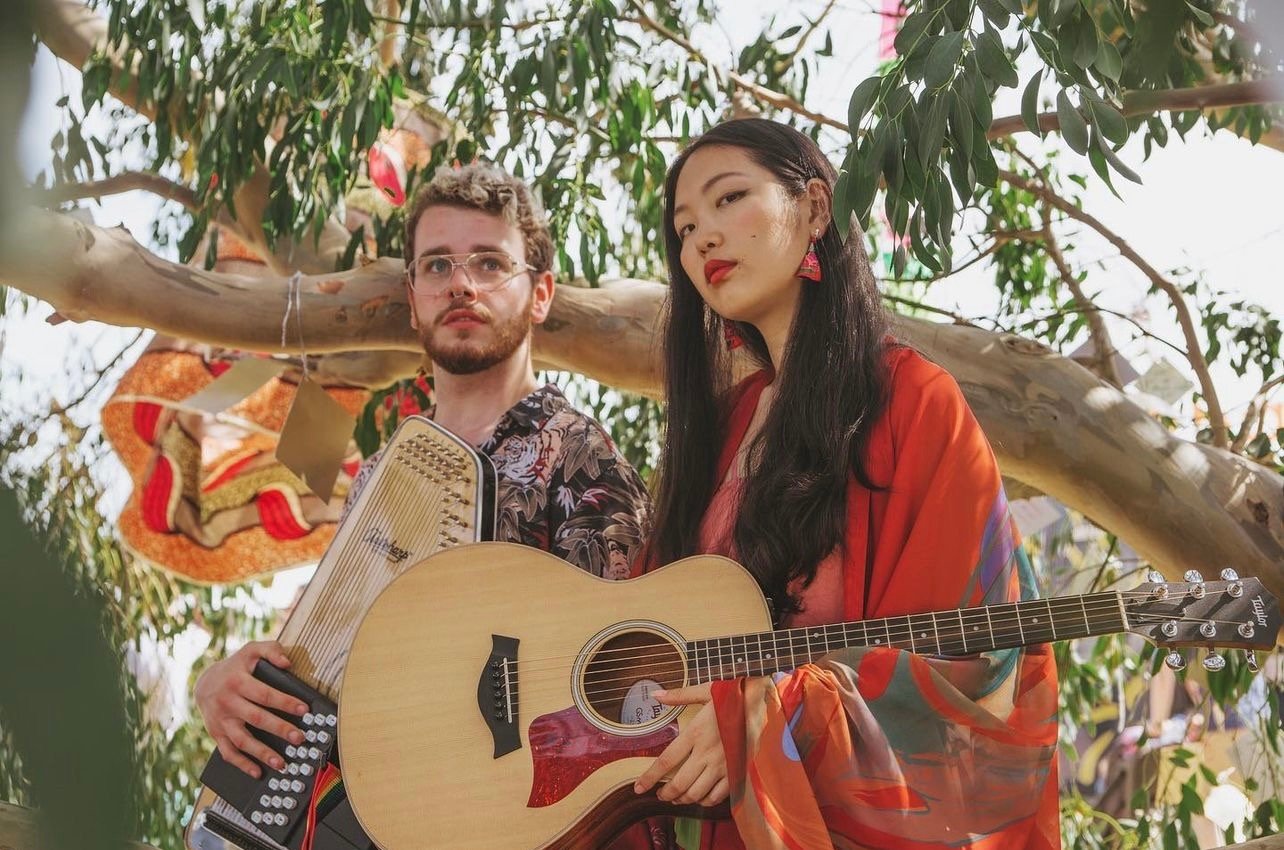
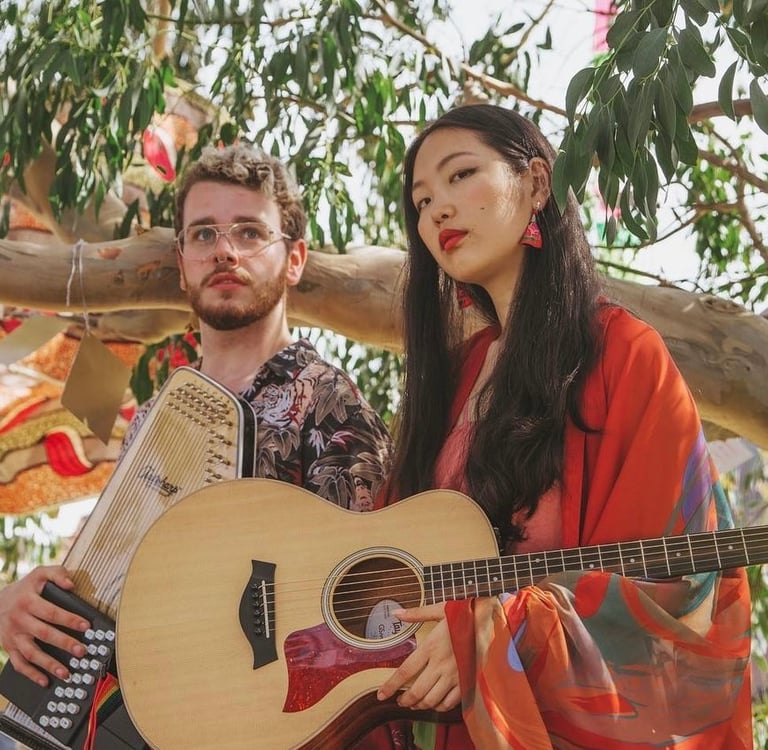
Alongside my academic journey, I have been active as a performer and collaborator. In 2017, I co-founded the band The Sages with Chinese musician Yijia Tu, creating a unique fusion of Irish and Chinese repertoires. Through this group, I practiced the performance on autoharp, Hulusi, vocals, ocarina and Tuvan throat singing. The group performed at venues including The Green Note, Rich Mix, and Asia House, as well as festivals such as Victorious Festival. We appeared on BBC Radio and were the focus of Asia House’s docu-series One Voice. Though The Sages is now on hiatus, Yijia and I continue to collaborate closely, with some of our songs later released on her debut album Tu (2025).
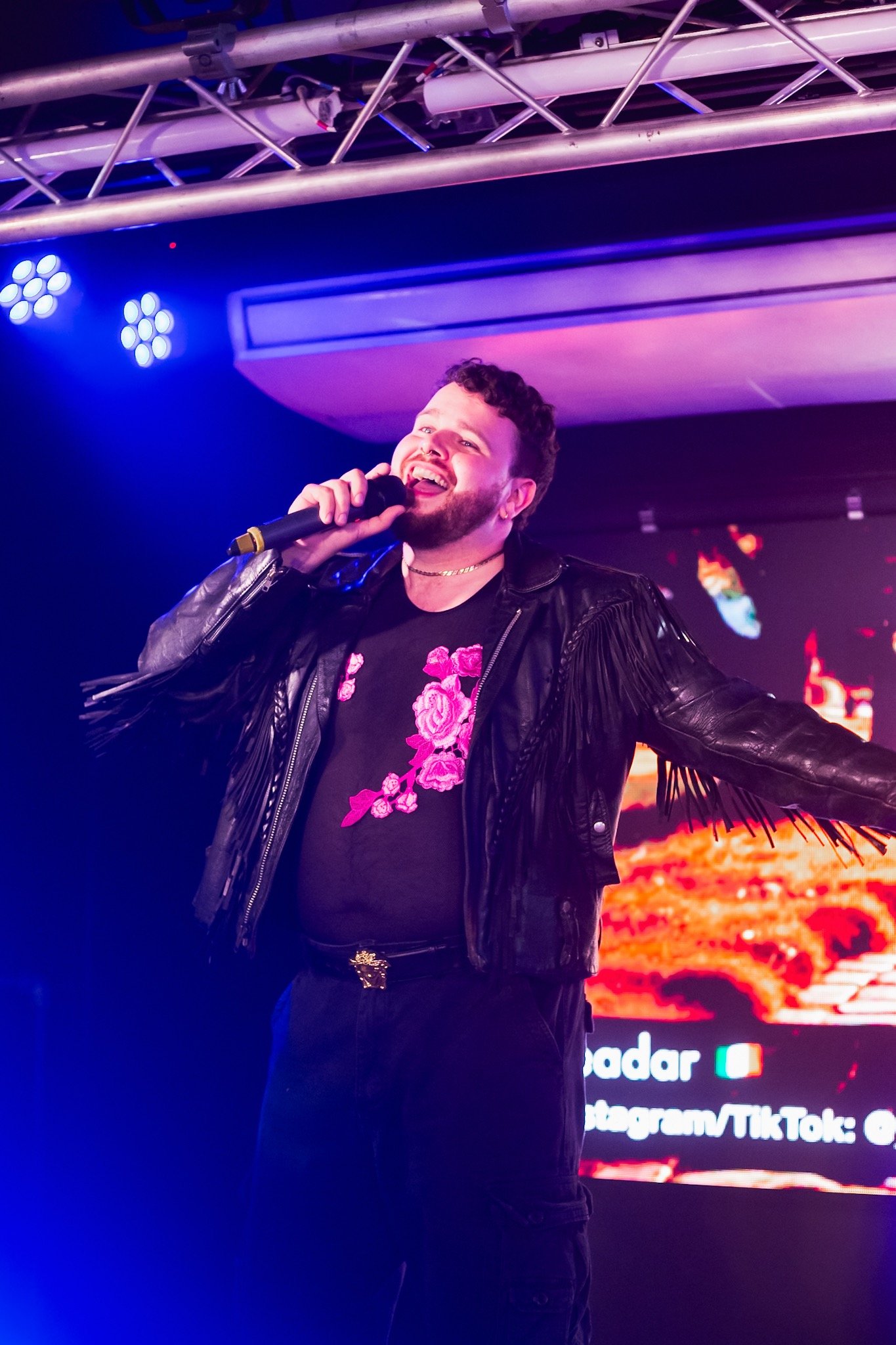
Since returning to Ireland after my studies, I have been developing my solo practice while continuing collaborative and production work. I’ve produced and distributed projects such as Moonaroon’s debut EP Seeds and overseen the re-release of my father’s recordings on digital platforms. I regularly share covers of global folk and pop songs on TikTok and YouTube, often accompanying myself on autoharp or producing full arrangements. Through these channels, I explore music across languages and cultures, building a diverse international audience.
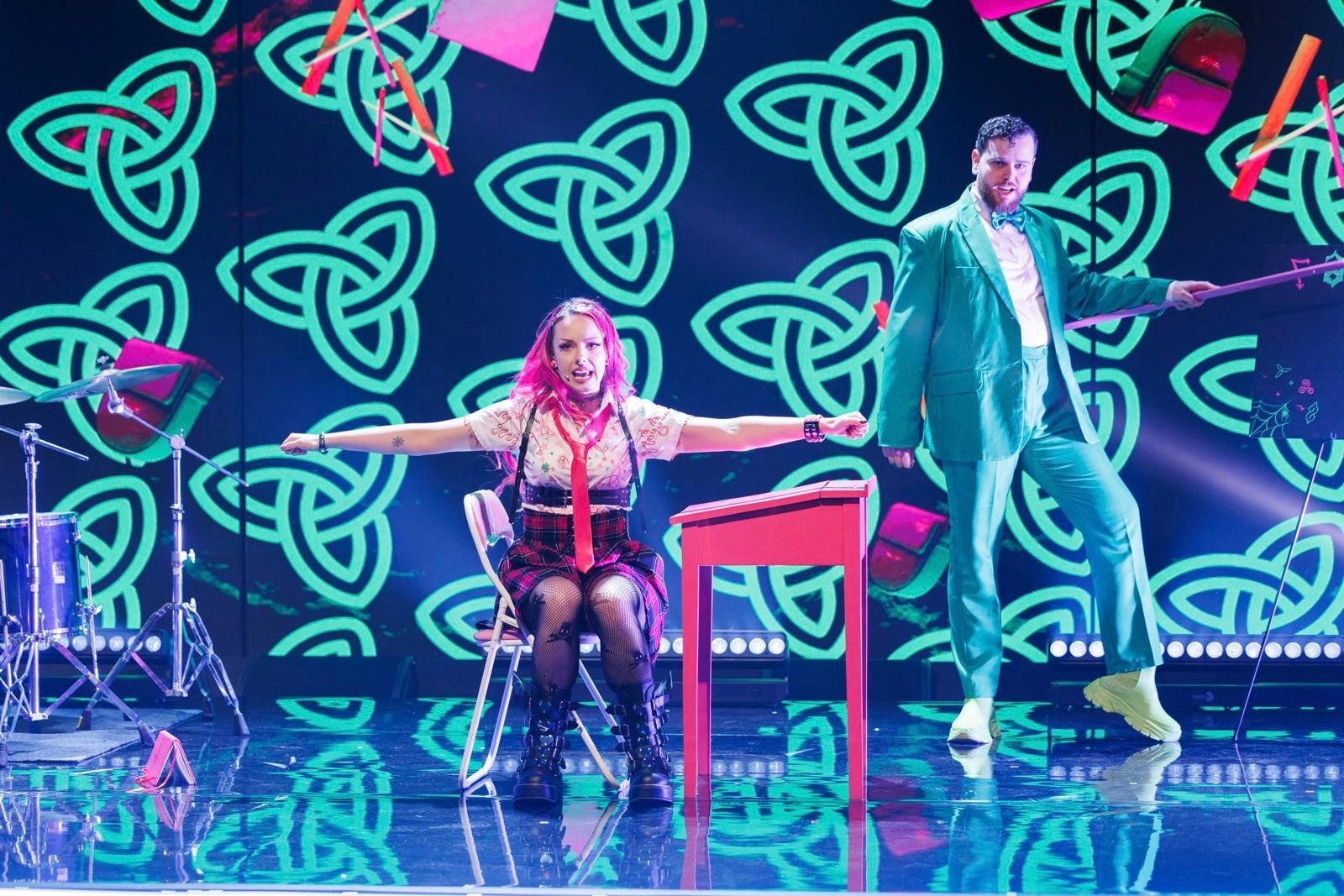
In 2024, I participated with my sister Ailsha in Eurosong, RTE's selection competition for Eurovision. We competed with Go Tobann, a song Ailsha and I wrote about the Irish language to bring awareness to how the language is dissapearing from our culture. We placed second overall and were voted as the fan favourite by fan communities across Europe.
Currently, I am working on a project that collects global songs dealing with migration, displacement, exile, and longing - themes that resonate deeply with me and with contemporary audiences worldwide. This work will form the foundation of my debut solo album.
FAQ
What is your genre?
I perform music across a wide variety of styles. The main styles I create are mostly rooted in folk music from across the world including Irish trad, Albanian urban folk, East-Asian folk-fusion amongst others, but I also make and perform pop music and R&B.
How can I book you?
You can contact me via the website, my social media or email me directly at peadarconnollydaveymusic@gmail.com
Do you offer music lessons?
Yes, I provide lessons in autoharp, singing and Tuvan throat singing.
What instruments do you play?
I play autoharp, hulusi, bawu, recorder, ocarina, tin whistle, piano, gamelan, duduk and dulcimer.
Where can I find your music?
My music is available on my YouTube and TikTok channels.
Do you collaborate with others?
I love to collaborate with other musicians from any musical practice. I am always open to working with new people, so reach out!